 Skip to content


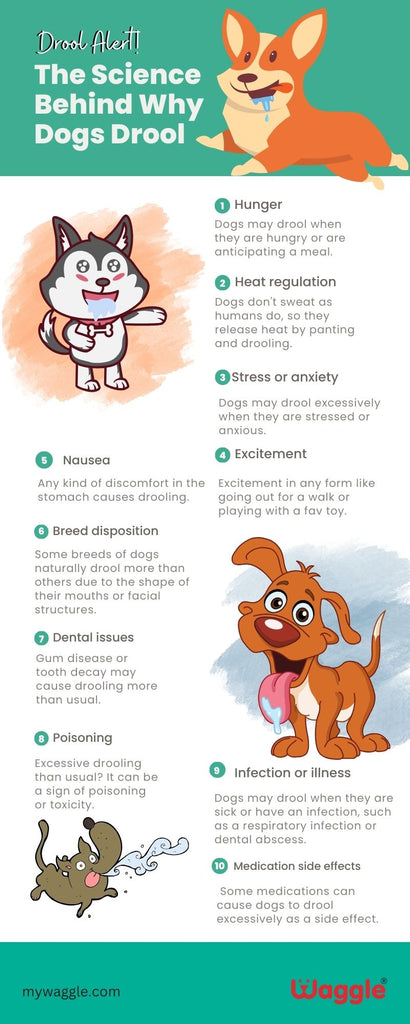
Dogs drool to lubricate their mouths, help with swallowing, prepare for digestion, and regulate body temperature. Some dogs also drool when they smell food, feel excited, become anxious, or experience motion sickness.
Occasional drooling is usually normal. However, sudden, excessive, thick, bloody, or foul-smelling drool may indicate dental disease, nausea, poisoning, heatstroke, an oral injury, or another medical problem.
This guide explains why dogs drool, what can cause excessive salivation, which symptoms require urgent veterinary attention, and how to manage drooling safely.
Is Drooling Normal in Dogs?
Yes. Drooling is a normal bodily function that helps dogs moisten food, swallow comfortably, protect the mouth, and begin the digestive process.
Some dogs naturally produce more saliva than others. Breeds with loose lips, heavy jowls, or facial folds may allow saliva to collect and drip more visibly.
Dogs that commonly drool more include:
- Bloodhounds
- Saint Bernards
- Mastiffs
- Newfoundlands
- Boxers
- Bulldogs
- Great Danes
What matters most is understanding what is normal for your dog. A sudden change in the amount, consistency, odor, or color of the drool deserves closer attention.
Why Do Dogs Drool?
Dogs drool when their salivary glands produce more saliva than they can comfortably swallow. This may happen because of food, excitement, stress, heat, nausea, mouth pain, illness, or exposure to an irritating substance.
The cause may be harmless when drooling is brief and linked to an obvious trigger. It becomes more concerning when it starts suddenly, continues without explanation, or appears with other symptoms.
Normal Causes of Drooling in Dogs
Food and Treat Anticipation
The sight or smell of food can stimulate saliva production before a dog begins eating. Your dog may drool while you prepare a meal, open a treat bag, or eat something they find appealing.
This type of drooling should stop once the food-related excitement passes.
Excitement
Some dogs drool when greeting visitors, meeting another dog, preparing for a walk, or anticipating playtime.
Excitement-related drooling is generally temporary and should not occur with weakness, vomiting, breathing trouble, or other signs of illness.
Anxiety or Stress
Nervous dogs may drool during veterinary visits, thunderstorms, fireworks, grooming appointments, separation, or unfamiliar situations.
Other signs of anxiety may include:
- Pacing
- Panting
- Trembling
- Yawning
- Lip licking
- Whining
- Hiding
- Refusing food
Learn more about common triggers and behaviors in this guide to anxiety in dogs.
Motion Sickness
Drooling during car travel may be caused by motion sickness, stress, or a negative association with riding in a vehicle.
A dog experiencing motion sickness may also lick their lips, swallow repeatedly, whine, appear restless, or vomit.
For practical prevention tips, read why dogs drool in the car.
Breed and Mouth Shape
Dogs with loose lips and deep jowls may not be able to keep saliva fully contained inside the mouth. As a result, normal saliva can drip onto the floor, furniture, clothing, or car seats.
This type of drooling is usually a physical characteristic rather than a health problem.
Medical Causes of Excessive Drooling
Dental Disease
Gum disease, infected teeth, broken teeth, oral abscesses, and tooth decay can make swallowing painful and cause excessive salivation.
Signs of a dental problem may include:
- Bad breath
- Difficulty chewing
- Dropping food
- Bleeding gums
- Swelling around the mouth or face
- Pawing at the mouth
- Reduced appetite
Something Stuck in the Mouth or Throat
Pieces of bone, sticks, grass, string, toys, fishing hooks, or other objects may become trapped between the teeth, across the roof of the mouth, or in the throat.
A dog with an oral foreign object may drool suddenly, gag, cough, paw at the face, refuse food, or repeatedly open and close their mouth.
Do not reach deeply into a distressed dog’s mouth or pull on visible string. A veterinarian should remove objects that are embedded or difficult to reach.
Mouth Injury or Irritation
Cuts, burns, ulcers, insect stings, electrical cord injuries, and contact with irritating substances can increase saliva production.
Check for swelling, bleeding, damaged tissue, or signs of pain, but avoid forcing the mouth open if the dog is frightened or uncomfortable.
Nausea and Digestive Upset
Dogs often drool when they feel nauseated. Nausea may result from motion sickness, dietary indiscretion, gastrointestinal illness, medication, pancreatitis, or other medical problems.
Drooling caused by nausea may appear with:
- Lip licking
- Repeated swallowing
- Loss of appetite
- Vomiting
- Restlessness
- Abdominal discomfort
Poisoning or Toxin Exposure
Sudden excessive drooling can occur after a dog eats, licks, or chews a toxic or irritating substance.
Possible sources include:
- Household cleaners
- Human medications
- Toxic plants
- Pesticides
- Certain foods
- Antifreeze
- Toads and other animals that release irritating secretions
If poisoning is possible, contact a veterinarian or animal poison-control service immediately. Do not induce vomiting unless a veterinary professional specifically instructs you to do so.
Heatstroke
Heavy drooling combined with intense panting, weakness, confusion, vomiting, bright-red gums, collapse, or an inability to cool down may indicate heatstroke.
Heatstroke can worsen rapidly and requires immediate action. Move the dog to a cooler area, begin gradual cooling with cool—not ice-cold—water, and seek emergency veterinary care.
Review the warning signs and emergency steps in this guide to heatstroke in dogs.
Allergic Reaction
An allergic reaction may cause drooling along with facial swelling, hives, vomiting, itching, or breathing difficulty.
Swelling around the face or throat and difficulty breathing are medical emergencies.
Neurological Problems
Conditions affecting the brain, nerves, or muscles can interfere with swallowing and saliva control.
Drooling may occur with:
- Loss of balance
- Head tilt
- Muscle weakness
- Seizures
- Facial paralysis
- Difficulty swallowing
- Changes in awareness
Oral Growths or Tumors
Growths inside the mouth or throat may cause pain, bleeding, bad breath, difficulty eating, and excessive drooling.
A veterinarian should examine unexplained lumps, ongoing mouth bleeding, facial swelling, or persistent drooling.
Kidney, Liver, or Other Systemic Disease
Serious internal illnesses can cause nausea, mouth ulcers, appetite changes, and drooling.
Persistent drooling accompanied by weight loss, excessive thirst, changes in urination, vomiting, or unusual tiredness should be evaluated by a veterinarian.
When Is Excessive Drooling in Dogs an Emergency?
Excessive drooling is an emergency when it begins suddenly or appears with signs of poisoning, heatstroke, choking, severe pain, breathing difficulty, or neurological illness.
Seek urgent veterinary care if your dog is drooling and also has:
- Difficulty breathing
- Facial or throat swelling
- Repeated vomiting
- Collapse or extreme weakness
- Seizures
- Confusion or loss of balance
- Bright-red, pale, gray, or blue gums
- Heavy panting and overheating
- Gagging or choking
- Blood in the saliva
- A suspected toxin exposure
- An object lodged in the mouth or throat
Even without these symptoms, contact your veterinarian if drooling is severe, unexplained, painful, or continues longer than expected.
What Drooling With Other Symptoms May Mean
Drooling and Vomiting
Drooling with vomiting may indicate nausea, gastrointestinal illness, dietary indiscretion, poisoning, pancreatitis, motion sickness, or an intestinal blockage.
Repeated vomiting, abdominal swelling, severe weakness, or an inability to keep water down requires prompt veterinary attention.
Panting and Drooling
A dog may pant and drool because of heat, anxiety, pain, nausea, or breathing difficulty.
If the dog is hot, weak, confused, vomiting, or unable to settle, treat the situation as a potential heat-related emergency.
Shaking and Drooling
Shaking with drooling may be associated with fear, severe nausea, pain, poisoning, low blood sugar, or a neurological problem.
Seek immediate veterinary help if the shaking is severe, begins suddenly, or occurs with weakness, vomiting, collapse, or altered awareness.
Teeth Chattering and Drooling
Teeth chattering may be related to excitement, scent processing, dental pain, jaw discomfort, nausea, or neurological disease.
A veterinary examination is recommended when chattering is new, frequent, painful, or accompanied by excessive saliva.
Lip Licking and Drooling
Repeated lip licking and drooling commonly occur with nausea or anxiety. They may also indicate mouth pain or difficulty swallowing.
Drooling Around Other Dogs
Some dogs drool around other dogs because of excitement, stress, fear, scent stimulation, or anticipation of play.
Observe the rest of the dog’s body language. Relaxed movement and playful behavior suggest excitement, while a tucked tail, stiff posture, hiding, growling, or escape attempts may indicate anxiety.
For more context, read why dogs drool around other dogs.
How to Reduce Excessive Drooling
You cannot completely stop normal saliva production, and some breeds will always drool more than others. The appropriate solution depends on what is causing the drooling.
Provide Fresh Water
Make sure your dog always has access to clean drinking water, particularly during warm weather, exercise, and travel.
Do not force water into the mouth of a weak, vomiting, choking, or unconscious dog.
Check the Mouth Carefully
If your dog allows it, look for swelling, broken teeth, bleeding, burns, string, sticks, or other visible objects.
Do not force the mouth open, reach toward the throat, or attempt to remove an embedded object.
Maintain Good Dental Care
Regular tooth brushing, dental examinations, and professional cleanings can help prevent painful oral disease.
Ask your veterinarian to recommend an appropriate dental-care routine and safe chewing products.
Manage Anxiety Triggers
Identify situations that trigger stress-related drooling and introduce them gradually when possible.
Helpful strategies may include:
- Creating a quiet resting area
- Using positive-reinforcement training
- Keeping travel routines predictable
- Taking gradual practice car rides
- Consulting a veterinarian or qualified behavior professional
Address Motion Sickness
For dogs that drool during travel, try shorter practice rides, improved ventilation, secure positioning, and avoiding a large meal immediately before departure.
A veterinarian may recommend medication for dogs with persistent motion sickness.
Prevent Overheating
Provide shade, fresh water, ventilation, and rest during warm weather. Avoid strenuous activity during the hottest part of the day, and never leave a dog unattended in a parked vehicle.
Treat the Underlying Cause
Excessive drooling caused by dental disease, nausea, poisoning, injury, infection, or another illness will not improve reliably until the underlying problem is treated.
Do not give human medications unless instructed by a veterinarian.
How to Manage and Clean Dog Drool
For dogs that naturally drool, keep soft towels near feeding areas, sleeping spaces, doors, and vehicles.
Wipe the mouth and facial folds gently to reduce moisture buildup and skin irritation. Dogs with facial folds may need regular cleaning and drying as recommended by a veterinarian.
How to Clean Dog Drool From Leather Car Seats
- Blot fresh drool with a clean, dry microfiber cloth.
- Use a leather-safe cleaner according to the product instructions.
- Wipe gently without soaking the leather.
- Dry the area with another clean cloth.
- Apply an appropriate leather conditioner if recommended by the seat manufacturer.
Test cleaning products on a hidden area first. Avoid harsh chemicals that may discolor or dry out the leather.
When to Contact a Veterinarian
Contact your veterinarian if your dog’s drooling:
- Begins suddenly without an obvious explanation
- Is much heavier than usual
- Continues for several hours
- Has a foul odor
- Contains blood
- Appears thick, foamy, or unusually stringy
- Occurs with appetite loss or trouble swallowing
- Occurs with bad breath or facial swelling
- Appears with vomiting, diarrhea, weakness, or behavior changes
A veterinarian may examine your dog’s mouth, teeth, throat, abdomen, hydration, temperature, and neurological function. Additional testing may be needed depending on the suspected cause.
Final Thoughts
Drooling is a normal part of being a dog, particularly around food, during excitement, or in breeds with loose lips and heavy jowls.
However, sudden or excessive drooling should not be ignored. Dental disease, nausea, poisoning, heatstroke, mouth injuries, foreign objects, and other medical problems can all increase saliva production.
Learn your dog’s normal drooling pattern and pay attention to changes. When drooling appears with breathing difficulty, vomiting, collapse, overheating, facial swelling, seizures, or suspected poisoning, seek veterinary care immediately.
Frequently Asked Questions
Why does my dog drool in the car?
Dogs commonly drool in the car because of motion sickness, anxiety, excitement, or a negative association with travel. Gradual practice rides and veterinary treatment for motion sickness may help.
Do dogs drool when they are in pain?
Yes. Dental disease, mouth injuries, abdominal pain, and other painful conditions can cause excessive drooling. Contact a veterinarian if the drooling is sudden or appears with restlessness, crying, reduced appetite, or behavioral changes.
Do dogs drool when they are nervous?
Yes. Stress and anxiety can cause increased salivation. Nervous dogs may also pant, pace, tremble, yawn, lick their lips, hide, or refuse food.
Why does my dog drool when excited?
Excitement can stimulate saliva production, particularly when a dog anticipates food, play, attention, or meeting another animal. Brief excitement-related drooling is usually normal.
Why does my dog drool around other dogs?
Drooling around other dogs may result from excitement, stress, fear, scent stimulation, or anticipation of play. Use the dog’s overall body language to determine whether they appear relaxed or uncomfortable.
Why does my female dog drool around puppies?
A female dog may drool around puppies because of excitement, stress, grooming behavior, food anticipation, or nausea. Persistent or unexplained drooling should be discussed with a veterinarian rather than assumed to be hormonal.
Why is my dog chattering their teeth and drooling?
Teeth chattering with drooling may indicate dental pain, nausea, jaw discomfort, excitement, scent processing, or a neurological problem. A veterinary examination is recommended if it is new or frequent.
Why is my dog drooling and vomiting?
Drooling and vomiting commonly indicate nausea but may also occur with poisoning, pancreatitis, gastrointestinal illness, motion sickness, or an intestinal blockage. Repeated vomiting or weakness requires prompt veterinary attention.
Why is my dog panting and drooling?
Panting and drooling may result from heat, anxiety, pain, nausea, or respiratory distress. If your dog is overheated, weak, confused, vomiting, or struggling to breathe, seek emergency veterinary care.
Why is my dog shaking and drooling?
Shaking and drooling may occur with fear, pain, severe nausea, poisoning, low blood sugar, or neurological illness. Sudden or severe symptoms require urgent veterinary assessment.
Why does my dog keep licking their lips and drooling?
Repeated lip licking and drooling are common signs of nausea or anxiety. They may also indicate dental pain, mouth irritation, or difficulty swallowing.
What causes sudden excessive drooling in dogs?
Sudden excessive drooling may be caused by poisoning, an oral injury, a foreign object, nausea, heatstroke, an allergic reaction, dental pain, or difficulty swallowing. Sudden unexplained drooling should be taken seriously.


